Photography gear is easy to obsess over. There is always a newer camera, a sharper lens, a faster computer, a lighter tripod or some piece of equipment promising to make everything easier.
I understand the appeal. I like camera gear too.
But one thing I've learned over the years is that the best piece of equipment isn't always the most expensive one or the one with the longest specification sheet. Sometimes it simply needs to work, and more importantly, it needs to help you actually go out and take photographs.
The Camera I'm Still Using
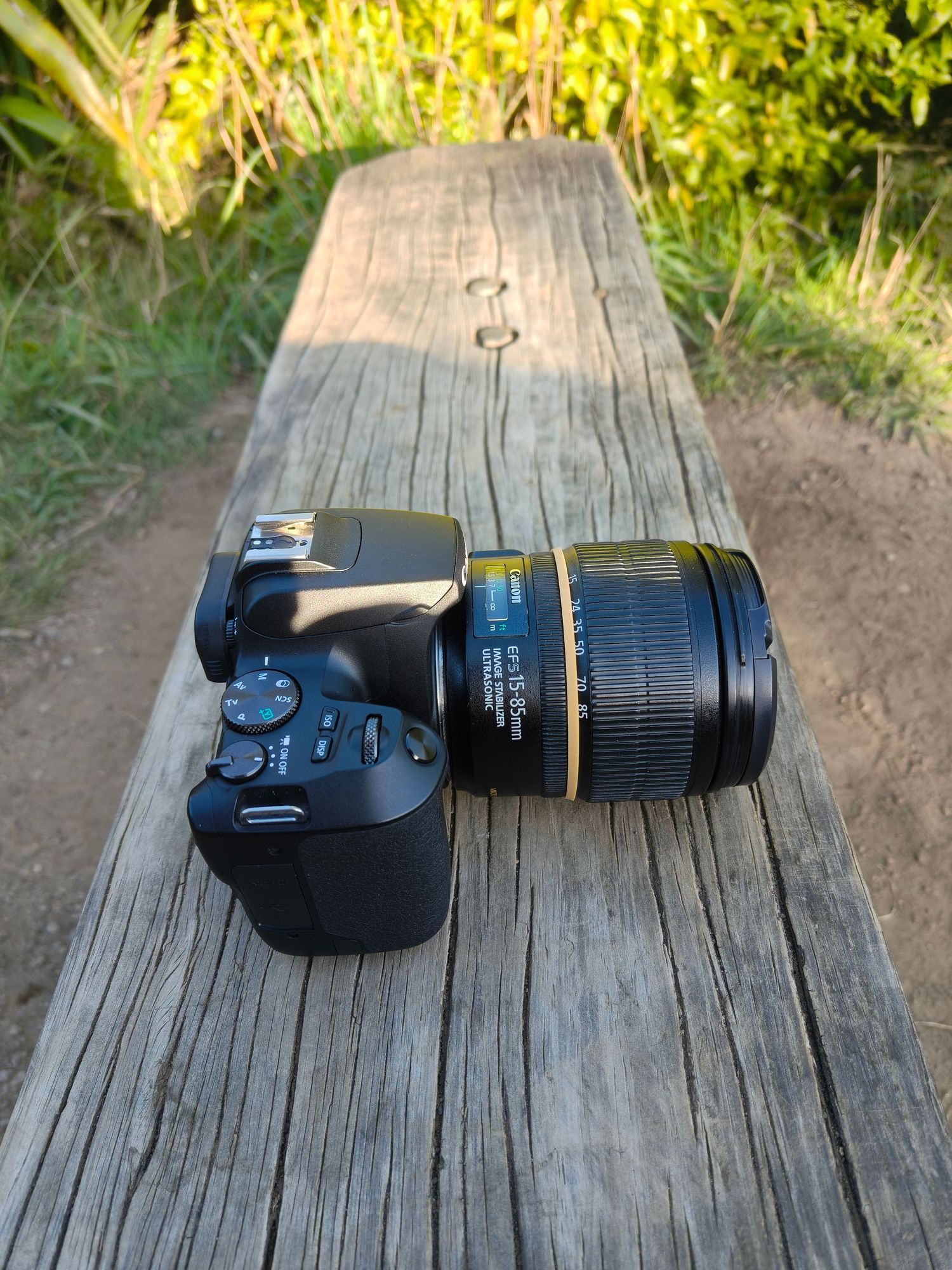
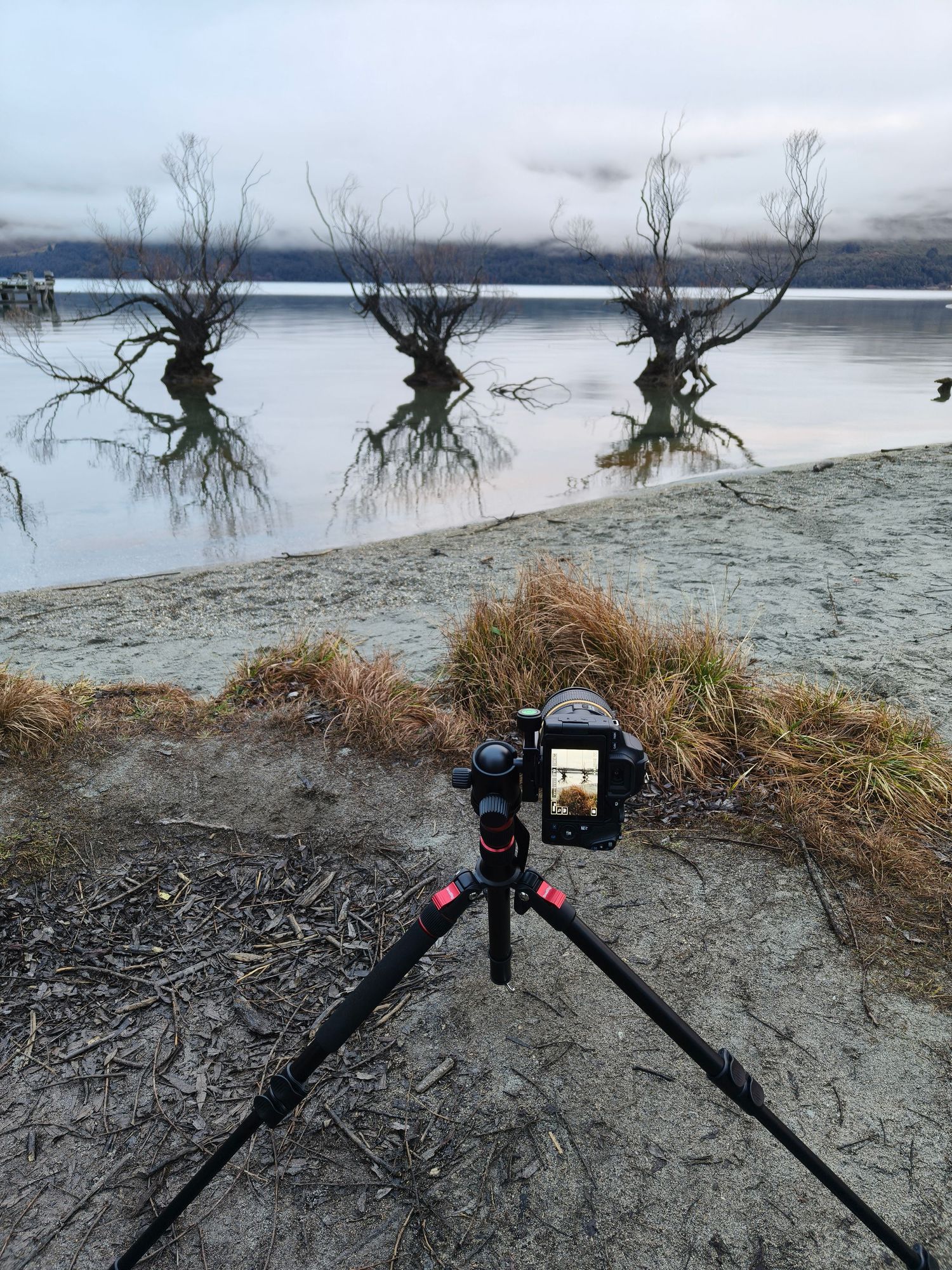
My main camera is still a Canon EOS 200D II.
Depending on where you look, it is usually described as an entry-level DSLR, and technically that description is correct. But I've never found the label particularly useful when it comes to actually making photographs.
It still gives me RAW files, interchangeable lenses, full manual control and enough image quality to create photographs I'm happy putting in my portfolio and preparing for print.
Would a newer or more expensive camera give me advantages? Absolutely. Better dynamic range, higher resolution, stronger autofocus, weather sealing and more professional controls are all real benefits, and there are cameras I would happily upgrade to one day.
But there is a big difference between wanting better equipment and actually needing it.
Right now, the 200D II still allows me to make the photographs I want to make. That matters far more to me than what category the camera happened to be placed into when it was released.
The Lens That Does Most of the Work
The lens I use most often is the Canon EF-S 15–85mm.
It isn't necessarily the first lens people talk about when recommending landscape photography gear, but for the way I photograph, it works incredibly well.
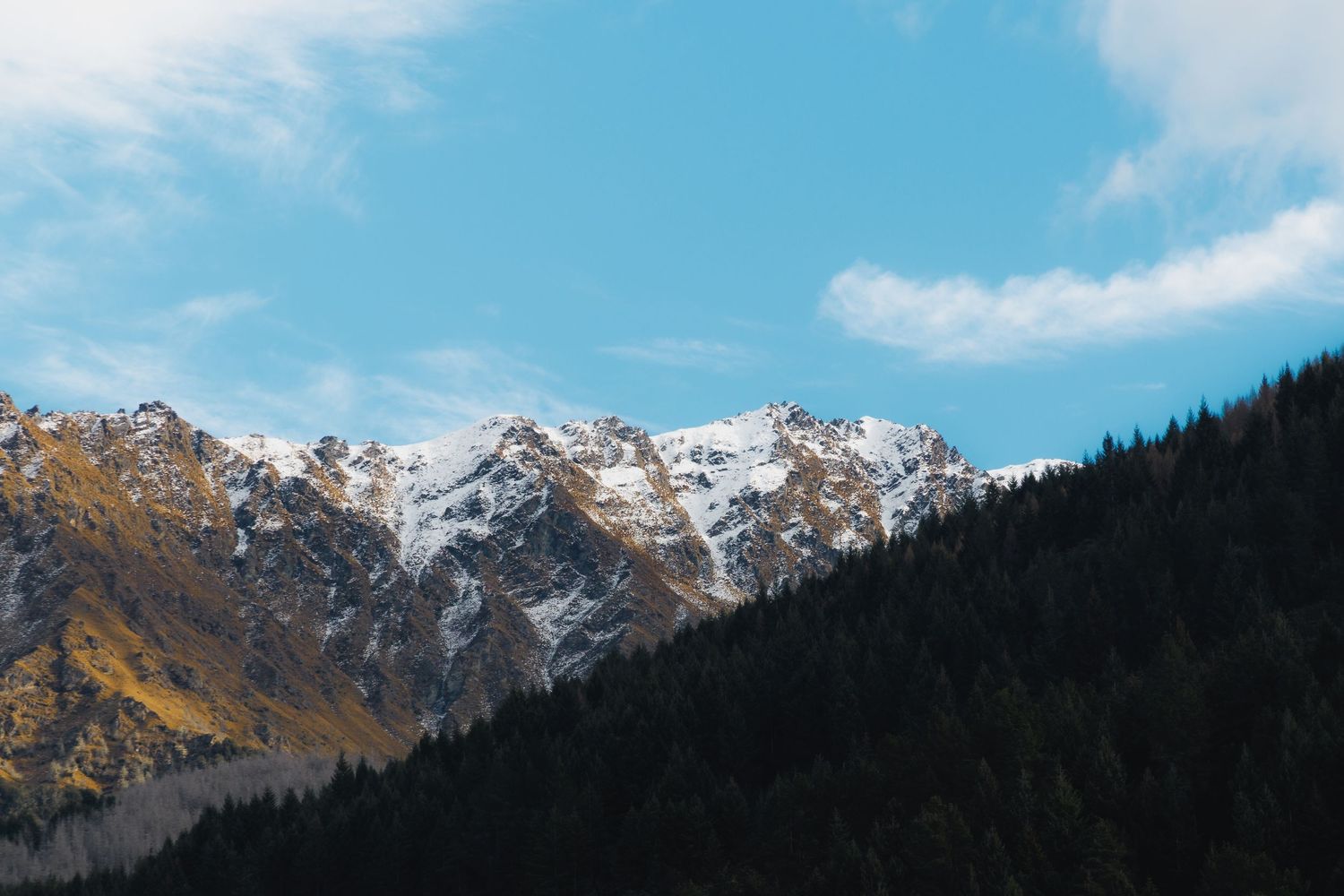
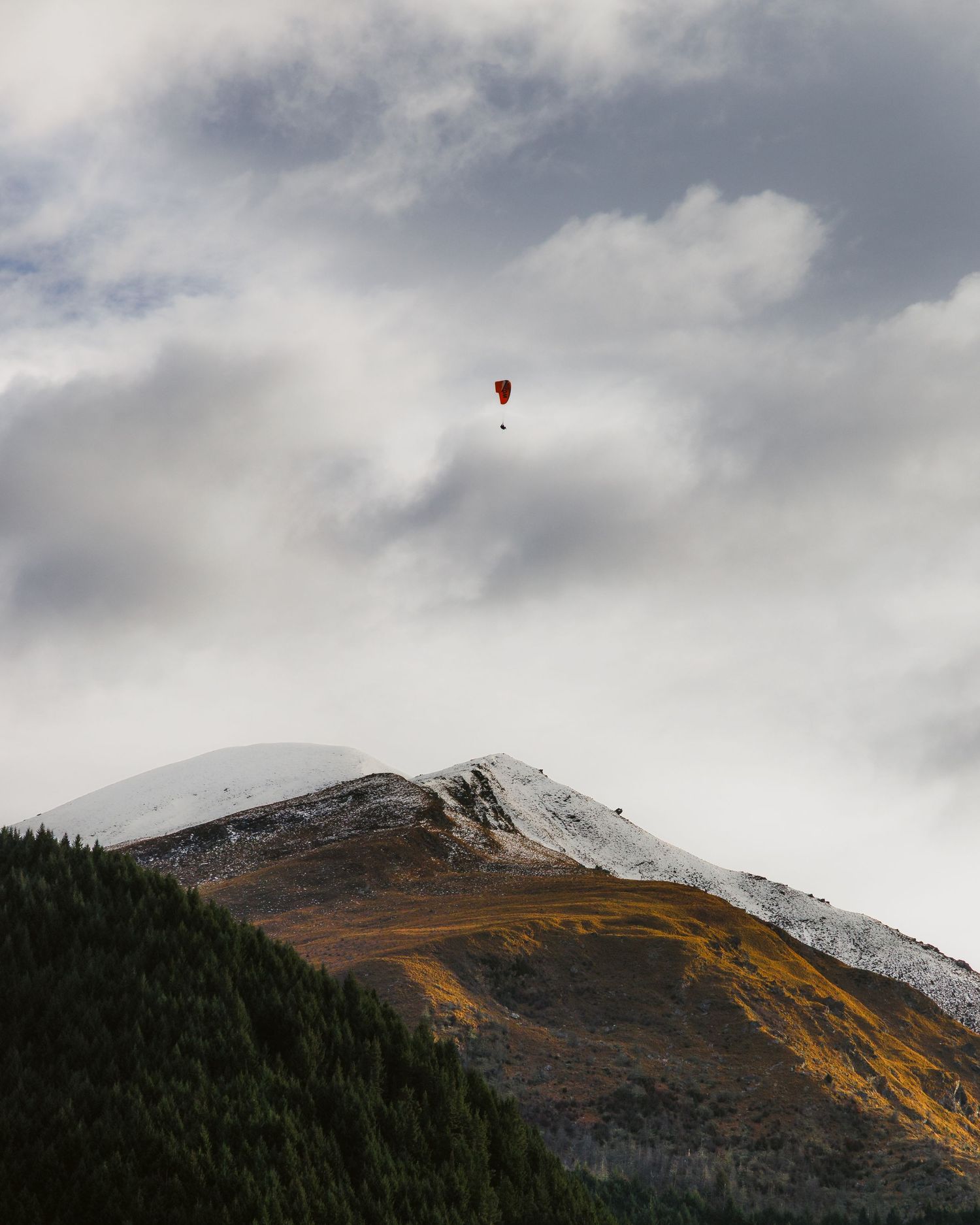
The focal range gives me plenty of flexibility while I'm exploring. I can shoot fairly wide when the landscape needs it, then zoom in when I notice smaller details, compressed mountain layers or something happening further away. I've also been consistently impressed by how sharp it is.
More importantly, it means I can head out with one lens attached and know I have enough flexibility to respond to whatever I find. That suits the way I like to photograph because I don't usually go somewhere knowing exactly what image I'm going to make. I prefer walking around, exploring and reacting to whatever catches my attention.
The 15–85mm lets me do that without constantly thinking about equipment.
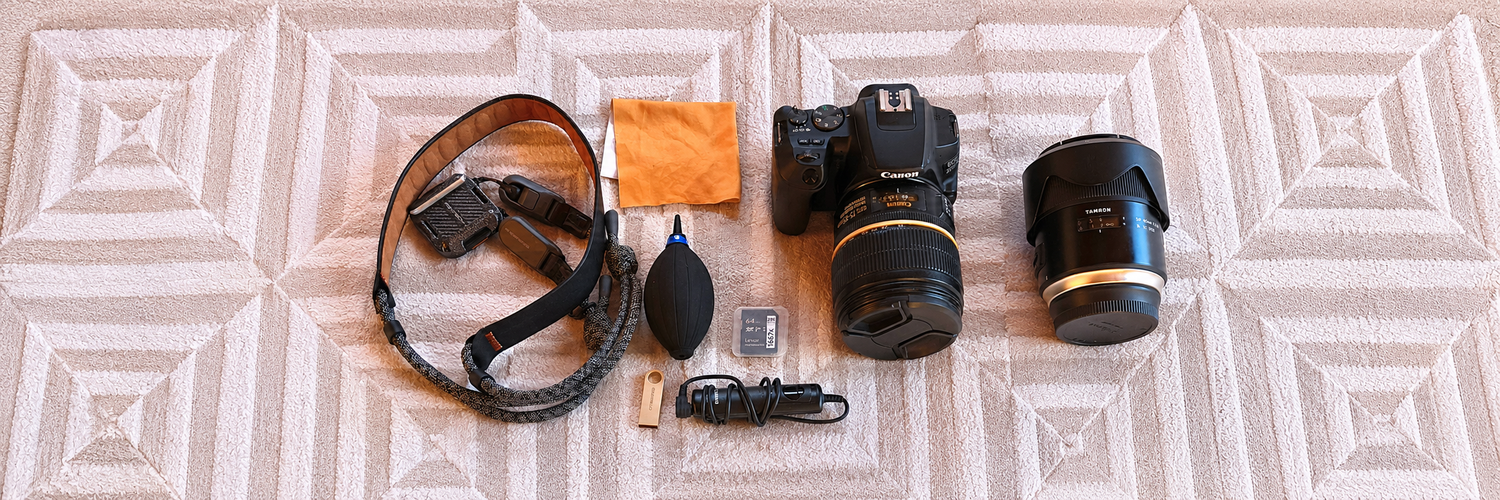
I also use a Tamron 45mm f/1.8, which gives me another option when I want something different from the zoom. Neither lens was chosen because I was trying to build the most impressive camera bag possible. They were chosen because they give me something useful.
Buying Around the Photography
That same approach has carried over into nearly everything else I use.
When I buy photography equipment, I try to start with one question: What problem am I actually trying to solve?
It sounds obvious, but it is surprisingly easy to forget when you're reading reviews, comparing specifications and looking at equipment that is objectively better than what you already own.
My tripod doesn't need to be the most expensive tripod available. It needs to be stable enough for the photography I do, light enough that I'm willing to carry it and reliable enough that I trust putting my camera on it. My camera bag doesn't need room for an entire professional kit either. It simply needs to comfortably carry the equipment I actually own.
The same thinking applies to my laptop, storage and the rest of my workflow. My laptop doesn't need to win benchmark competitions. It needs to run Lightroom comfortably, handle my photography workflow and be practical enough that I can use it wherever I happen to be working.
Some equipment needs to be excellent. Some equipment just needs to do its job properly. Learning the difference can save a lot of money.
Life Comes First
There is another reason I'm careful about what I buy. Photography exists alongside everything else in life, and there are bills, work, family and other priorities that matter more than owning the newest camera body.
Photography equipment can become very expensive very quickly, so I've learned to be selective about where I put my money. I could probably find a better version of almost everything I use, but that doesn't automatically mean buying it would be the right decision.
If the equipment I already have is doing what I need it to do, then sometimes the best decision is simply to keep using it.
That doesn't mean I'll never upgrade. I absolutely will. But I would rather upgrade when I can clearly explain what the new equipment will allow me to do that my current setup cannot.
Buying something simply because it is newer has never felt like a particularly good reason.
The Best Upgrade Isn't Always Equipment
Some of the biggest improvements in my photography haven't come from buying anything. They've come from learning, experimenting and spending more time actually making photographs.
Understanding Lightroom better has made a difference. So has revisiting old photographs and seeing them differently, becoming more selective about what goes into my portfolio, thinking harder about composition, exploring new places and printing my work.
Even simply spending more time outside with a camera has probably done more for my photography than some equipment upgrades ever could.
A better camera can absolutely make certain things easier, and a better lens can absolutely improve image quality. Gear matters.
But it doesn't have to be the thing stopping you.
Use What You Have
There will always be something better available. There will always be another camera release, another lens review and another piece of equipment that looks tempting.
I'll probably own some of those things eventually.
Until then, I'm going to keep being deliberate about what I buy and keep getting as much as I can from the equipment I already have.
Because the camera sitting in your bag doesn't need to be the best camera ever made. It needs to be good enough that you trust it, capable enough that it helps you create and practical enough that you actually take it with you.
It gets me out the door.